An Emerging Public Health Crisis
Half a million Americans
Lack of provider awareness
CDC reports
450,000 Americans and growing
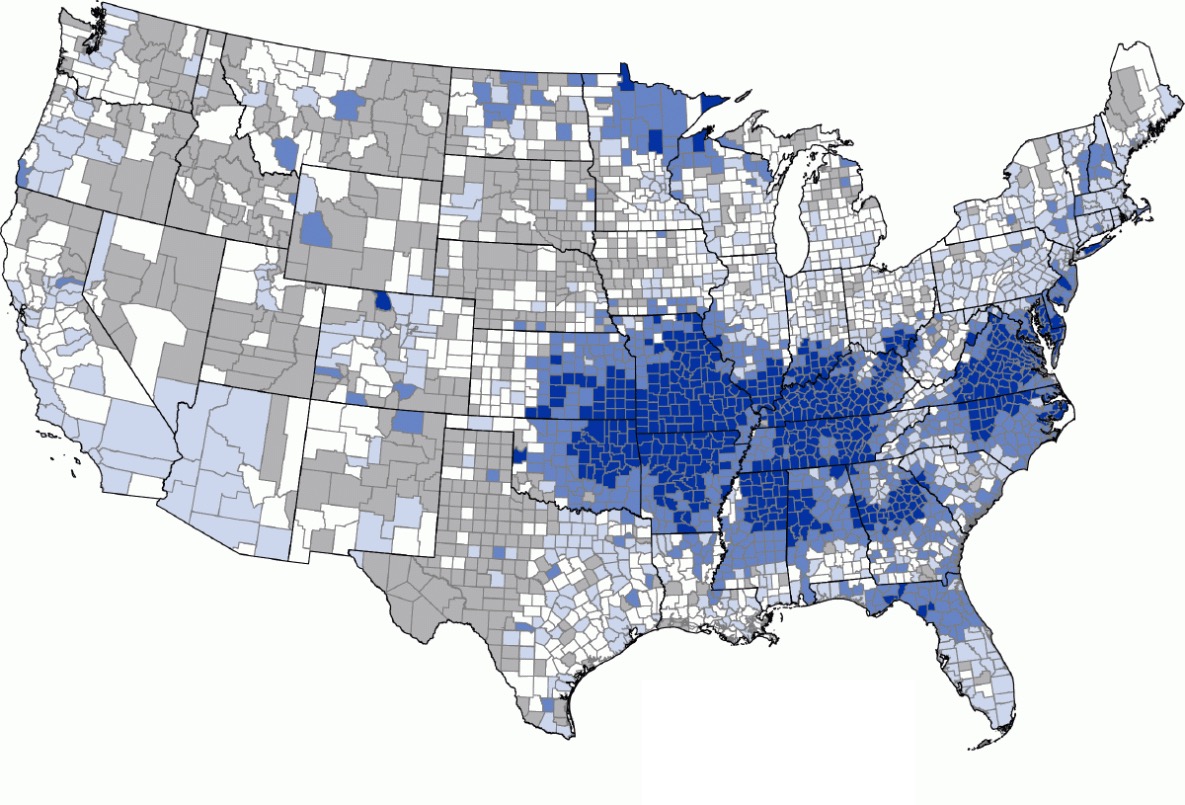
The CDC has identified alpha-gal syndrome (AGS) a growing clinical and public health concern. First described in 2009, AGS now affects an estimated half a million Americans–ranking it among the ten most common food allergies in the United States. Cases continue to rise as growing white-tailed deer populations and other ecological disruptions drive the population explosion and geographic spread of the lone star tick, which is responsible for most cases of AGS in the U.S.
2009 estimated U.S. cases
2017 estimated U.S. cases
2018 estimated U.S. cases
2023 estimated U.S. cases
A lack of provider awareness
Healthcare provider knowledge of alpha-gal syndrome (AGS) remains critically limited. A 2023 CDC study found that 42% of providers had never heard of AGS and another 35% did not know enough to diagnose or manage it—leaving the vast majority of providers ill-equipped to diagnose or care for patients with AGS.
The consequences are significant. AGS is widely underdiagnosed and misdiagnosed, with patients waiting an average of more than seven years for a correct diagnosis. During that time, many experience debilitating symptoms: on average, more than half require emergency department treatment, 7% require multiple hospitalizations, and many undergo unnecessary invasive procedures and surgeries—at considerable cost to patients and the healthcare system alike.
Closing this awareness gap is essential to earlier diagnosis, improved patient care, and reduced economic burden on both patients and healthcare systems.

CDC reports on alpha-gal syndrome
Learn more from these CDC reports: