
The Alpha-gal Rural Health Initiative
An emerging threat to rural health
Disproportionately impacted populations
A need for awareness
A targeted rural health response
Priority #1
Rural hospitals & providers
NRHA membership
Priority #2
Public Awareness
AGS Awareness through Extension Networks
Press
Collaborators
Goal
Raise awareness about AGS as a threat to rural health and to provide educational tools to disproportionately impacted populations, rural providers, hospitals, and clinics.
An emerging threat to rural health
Alpha-gal syndrome (AGS) is a serious, sometimes life-threatening allergy to the sugar galactose-α-1,3- galactose (alpha-gal), which is found in all mammals except some primates. Its onset is associated with tick bites. People with AGS react to products made from mammals and to products containing mammalian ingredients. This includes foods such as beef, pork, lamb, venison, dairy products, and gelatin. It also includes drugs and medical devices, such as monoclonal antibodies, heparin, bioprosthetic heart valves, some vaccines, antivenom, and medication in gelatin capsules. Many people with AGS also react to personal care and household products with mammal-derived ingredients.
In the U.S., most AGS cases are caused by lone star ticks, which are common in the southern, midwestern, and mid-Atlantic United States. Preliminary data suggest that other ticks found in the U.S. may also induce AGS, including black-legged ticks (Ixodes scapularis), Western black-legged ticks (Ixodes pacifica), Cayenne ticks (Amblyomma cajennense complex), and invasive Asian longhorned ticks (Haemaphysalis longicornis).
Alpha-gal reactions are often severe and can be fatal. Up to 75% of people with AGS experience anaphylactic reactions, a higher percentage than even peanut allergy. In areas of high prevalence, reactions to alpha-gal can be the number one cause of anaphylaxis in adults and adolescents, accounting for a third of all cases—more than all other food allergies combined. Some studies suggest that AGS may also be responsible for up to 25% of IBS-like symptoms and a significant cause of rheumatological issues in high-prevalence areas. Concerningly, preliminary research in both the U.S. and Australia found that people who are sensitized to alpha-gal, even if they do not develop allergic reactions, may be at increased risk of cardiovascular disease. The NIH is currently funding a follow-up study of this issue.
Rural populations are at greater risk than urban populations. AGS prevalence can be up to 20 times higher in rural populations, where tick exposure is more common, than in urban populations. The burden of alpha-gal syndrome also falls more heavily on rural communities, where people tend to live farther from emergency and specialty care, face reduced access to healthcare, are less likely to have health insurance, and often experience greater economic hardship and lower levels of educational attainment. In some rural areas, food deserts limit the dietary options available to those managing the condition.
AGS presents critical equity concerns, disproportionately impacting lower-income communities and those with limited access to health care. Regions most affected by AGS are among those with the highest poverty rates in the country. These disparities compound the health burden of AGS.

Subjects residing in the most rural areas had significantly higher sensitization rates than their counterparts in the most urban areas, and residence in more rural areas remained significantly associated with sensitization in a multivariable model controlling for age, sex, race, and US region of residence.
Disproportionately impacted populations
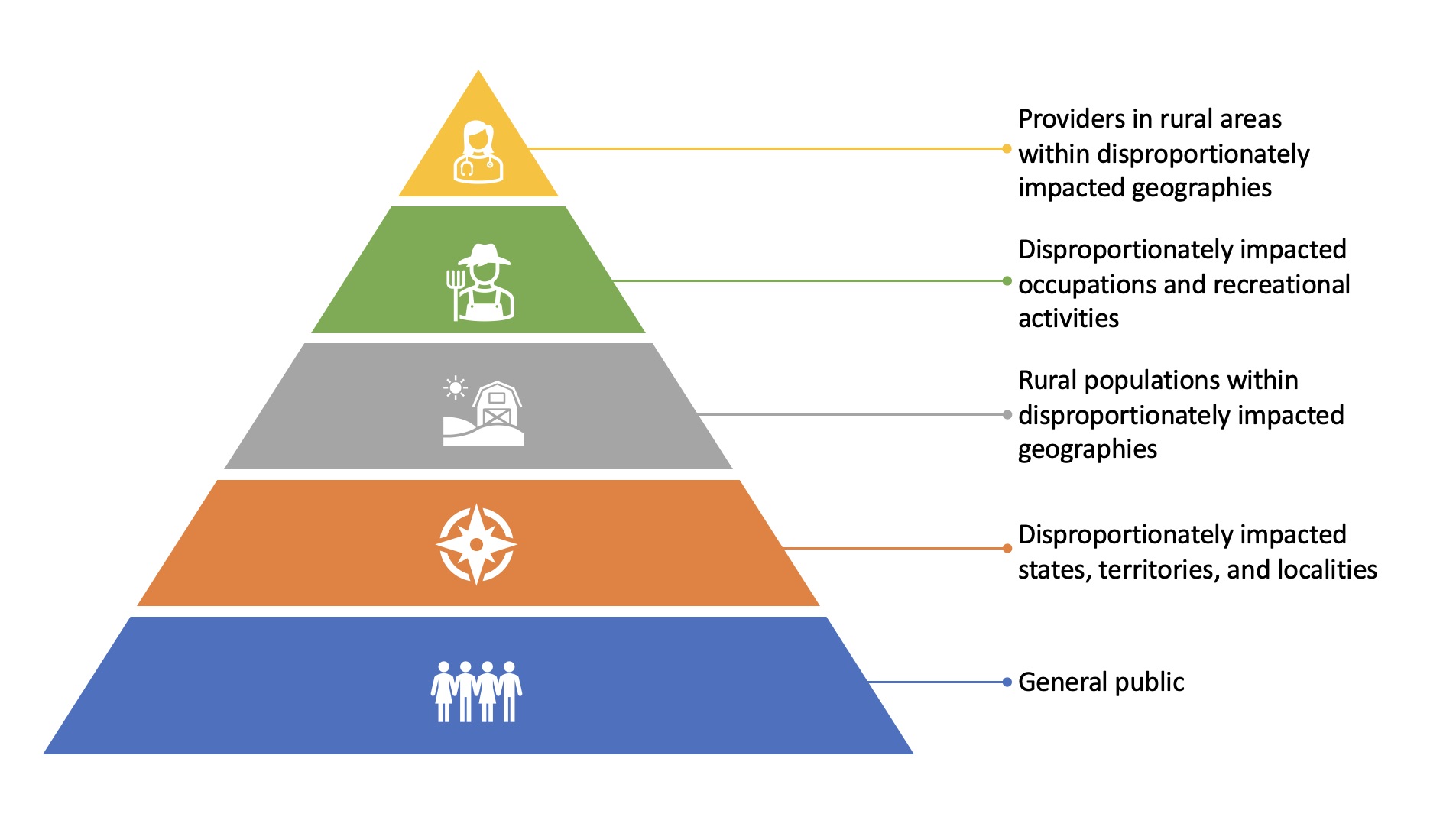
Not all populations are equally impacted by AGS. Demographic factors contributing to the risk of developing AGS include:
Residence in high-prevalence states, territories, tribal communities, and localities
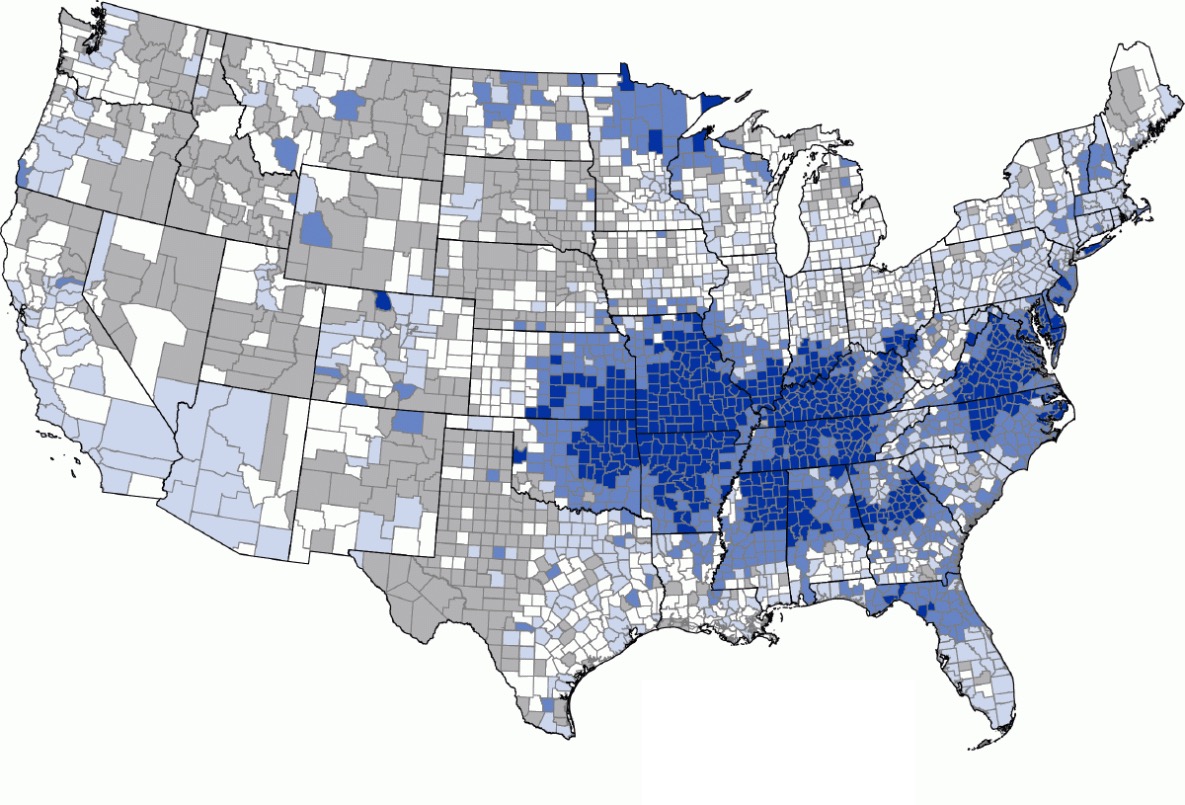
AGS cases are clustered in high-prevalence areas of the South, lower Midwest, Mid-Atlantic, and coastal regions of New England, where lone star ticks predominate. Three percent or more of the population in the hardest-hit areas may be affected.
Rural residence
Rural populations are at greater risk than urban populations. AGS prevalence can be up to 20 times higher in rural populations, where tick exposure is more common, than in urban populations.

Employment in high-risk occupations
Populations at occupational risk include farmers and ranchers, agricultural laborers, surveyors, members of the military, park rangers, foresters, veterinarians, field biologists, line and utility workers, people working in landscape maintenance, and others with high tick exposure.
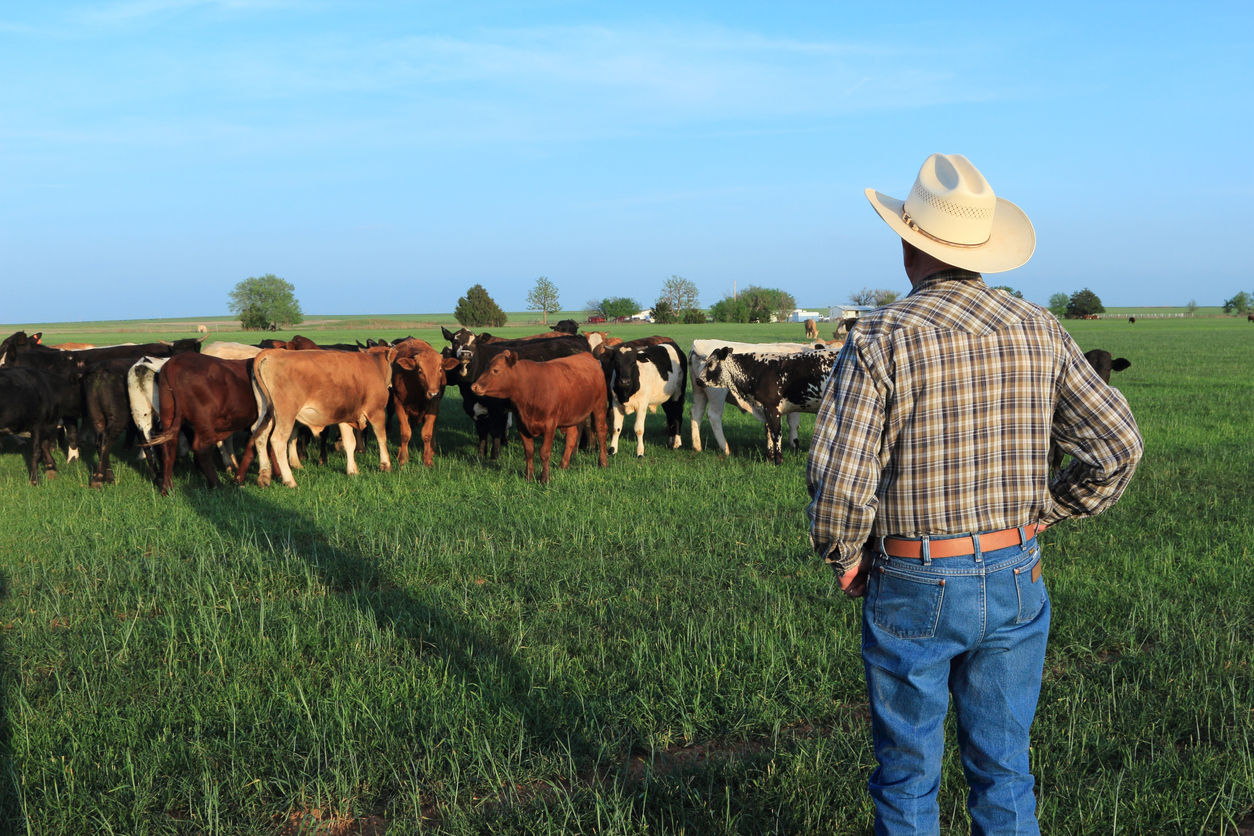
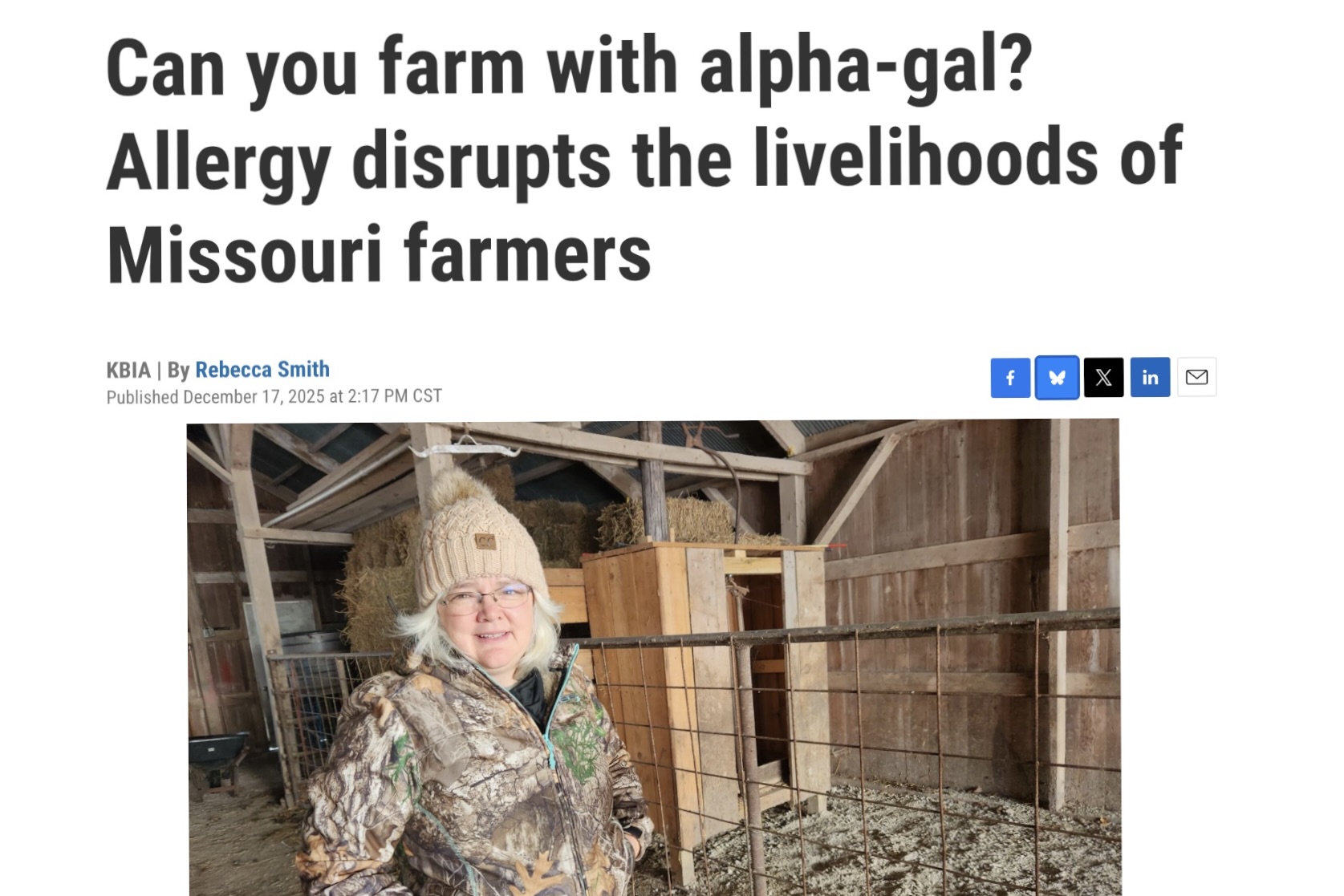
Farmers and ranchers, for whom AGS represents not just a food and drug allergy but also an occupational allergy, merit special attention. Livestock such as cows, pigs, sheep, and goats are mammals and make alpha-gal. Just as people can be allergic to pets, like cats and dogs, and react when exposed to them, people with AGS can react to livestock exposures. Some livestock exposures, especially to fluids like blood and amniotic fluid, can result in severe and even life-threatening reactions. Waste, saliva, dander, wool, direct contact, and some products used on livestock can also trigger reactions.
Participation in high-risk recreational activities
High-risk recreational activities include those that entail high tick exposure, including hunting, hiking, camping, gardening, and birding. Children who participate in scouts, 4-H, FFA, and other outdoor recreational activities and who attend rural schools are also at higher risk.

Learn more about the impact of AGS on farmers and ranchers on the Alpha-gal Information website.
Alpha-gal Information is an Alpha-gal Alliance project.
Alpha-gal syndrome, farming and ranching factsheet
Webinar:
Alpha-gal Syndrome: a Growing Threat to Farmers and Ranchers
A need for awareness
Due to growing lone star tick populations, the number of AGS cases is increasing at an alarming rate. In a July 2023 report, the CDC recognized AGS as a growing clinical and public health concern. They reported that between 2010 and 2022, more than 110,000 suspected cases of AGS were identified and estimated that up to 450,000 Americans may be affected, making AGS the 10th most common food allergy. Yet alarmingly, 78% of physicians know little to nothing about AGS, and only 5% feel very confident in diagnosing and managing it. This is especially problematic, as AGS has many atypical features that complicate diagnosis and management.
Raising general awareness about alpha-gal syndrome is critical to early diagnosis and effective management of AGS. Targeting providers and disproportionately impacted populations in rural areas will leverage available resources for the greatest impact. Reaching these populations will require the development of strategies, tools, methods, and communications tailored to these communities and delivered via trusted messengers and communication vehicles that target them.
A targeted rural health response
The evidence is clear: AGS is a serious and growing threat to rural health, yet awareness among rural providers and communities remains dangerously low. The Alpha-gal Alliance is responding with a targeted two-pronged effort: equipping rural healthcare providers with the tools needed for timely diagnosis and effective management, while raising awareness among the rural populations most at risk.
Priority #1
Reduce the burden of alpha-gal syndrome in rural communities by equipping rural healthcare providers, hospitals, and clinics with the awareness, knowledge, and tools needed for timely diagnosis and effective management.
National Rural Health Association partnership
Through its partnership with NRHA, Alpha-gal Alliance aims to reduce the burden of alpha-gal syndrome in rural communities by equipping healthcare providers, hospitals, and clinics with practical tools to support timely diagnosis and effective management. The initiative will deliver provider education, including a webinar series, along with patient materials distributed through NRHA’s national rural health network. The goal is to raise awareness of AGS as a growing rural health threat, shorten diagnostic delays, strengthen rural care pathways, and improve patient safety and quality of life for people living with AGS.

Priority #2
Improve diagnosis and management of alpha-gal syndrome in rural areas by raising public awareness of AGS—its symptoms, diagnosis, and management—through targeted outreach to the most impacted areas and populations.
Alpha-gal Syndrome Education through Extension Networks
The Alpha-gal Syndrome Education through Extension Networks initiative is a coordinated, multi-state effort to develop, standardize, and disseminate evidence-based educational materials on alpha-gal syndrome (AGS) through Cooperative Extension systems. Supported by the Alpha-gal Alliance and led by the University of Kentucky, this initiative brings together Extension professionals and subject matter experts across several states to build consistent, accurate, and accessible AGS education. The project will produce adaptable resources, training materials, and shared messaging to strengthen the reach and reliability of AGS information nationwide. By creating a collaborative network and scalable training framework, this effort will equip Extension systems to provide practical guidance on AGS, tick bite prevention, and lifestyle management, while expanding access to trustworthy information for individuals and communities who may otherwise have limited support.
Press
More articles about the impact of alpha-gal syndrome on farmers and ranchers here.
Our partners & collaborators