Challenges of Living with Alpha-gal Syndrome
More than a red meat allergy
A uniquely severe allergy
Disproportionate risk of exposure
A major drug allergy & a top cause of perioperative anaphylaxis
Tranfusion reactions (TRAGS)
An occupational allergy
More than a red meat allergy
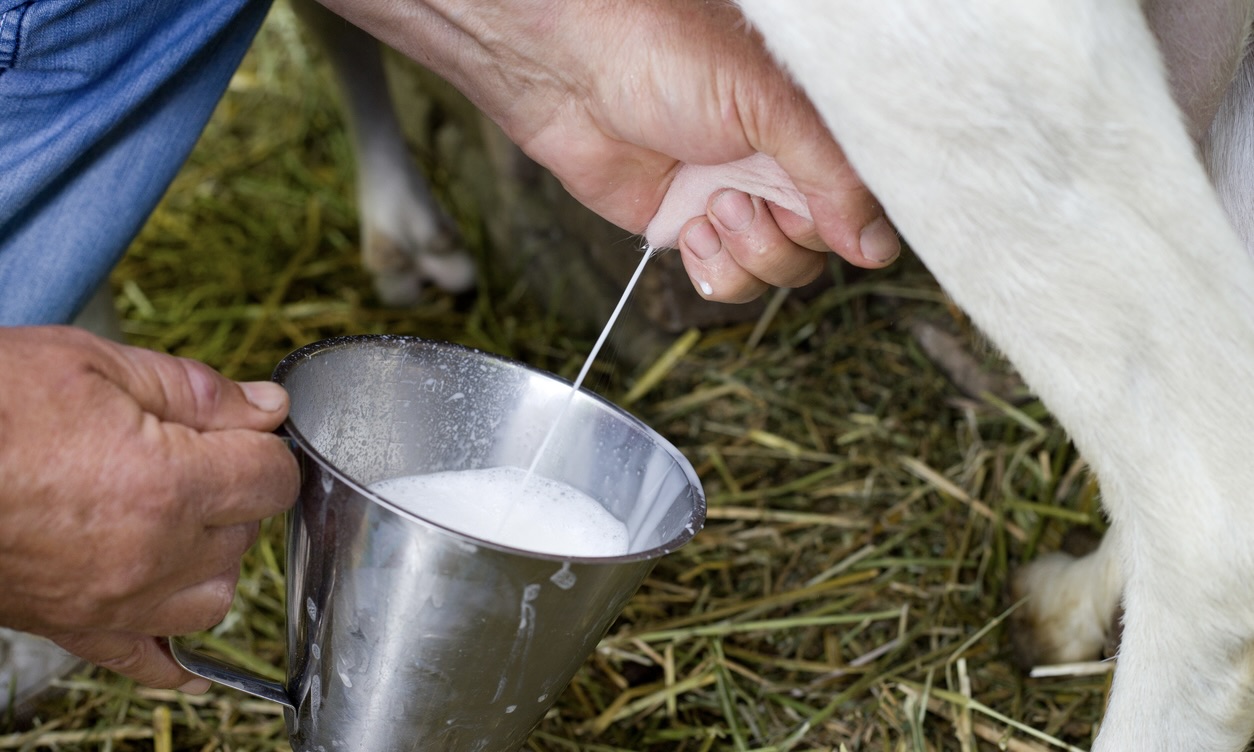
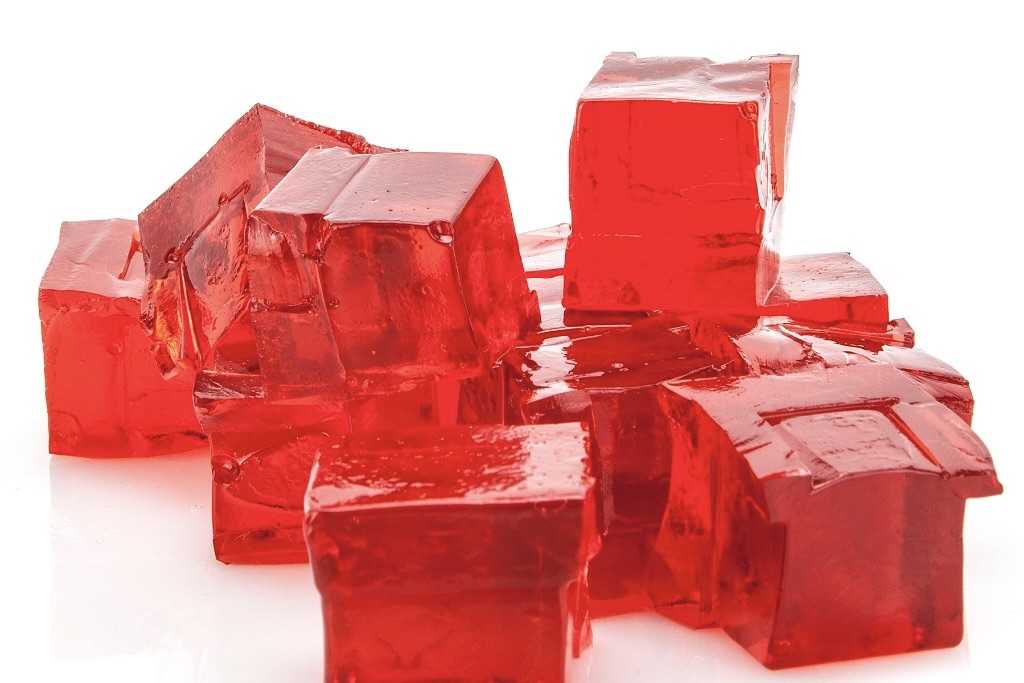
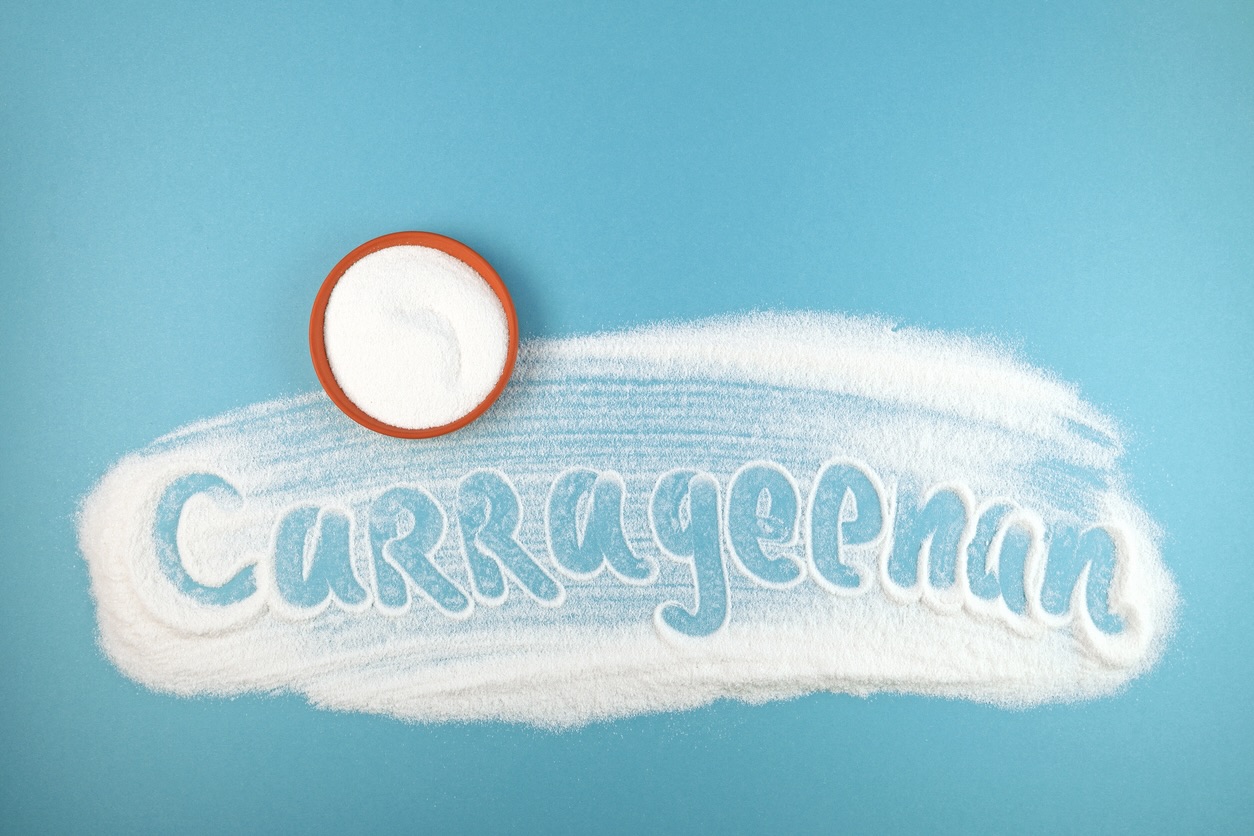
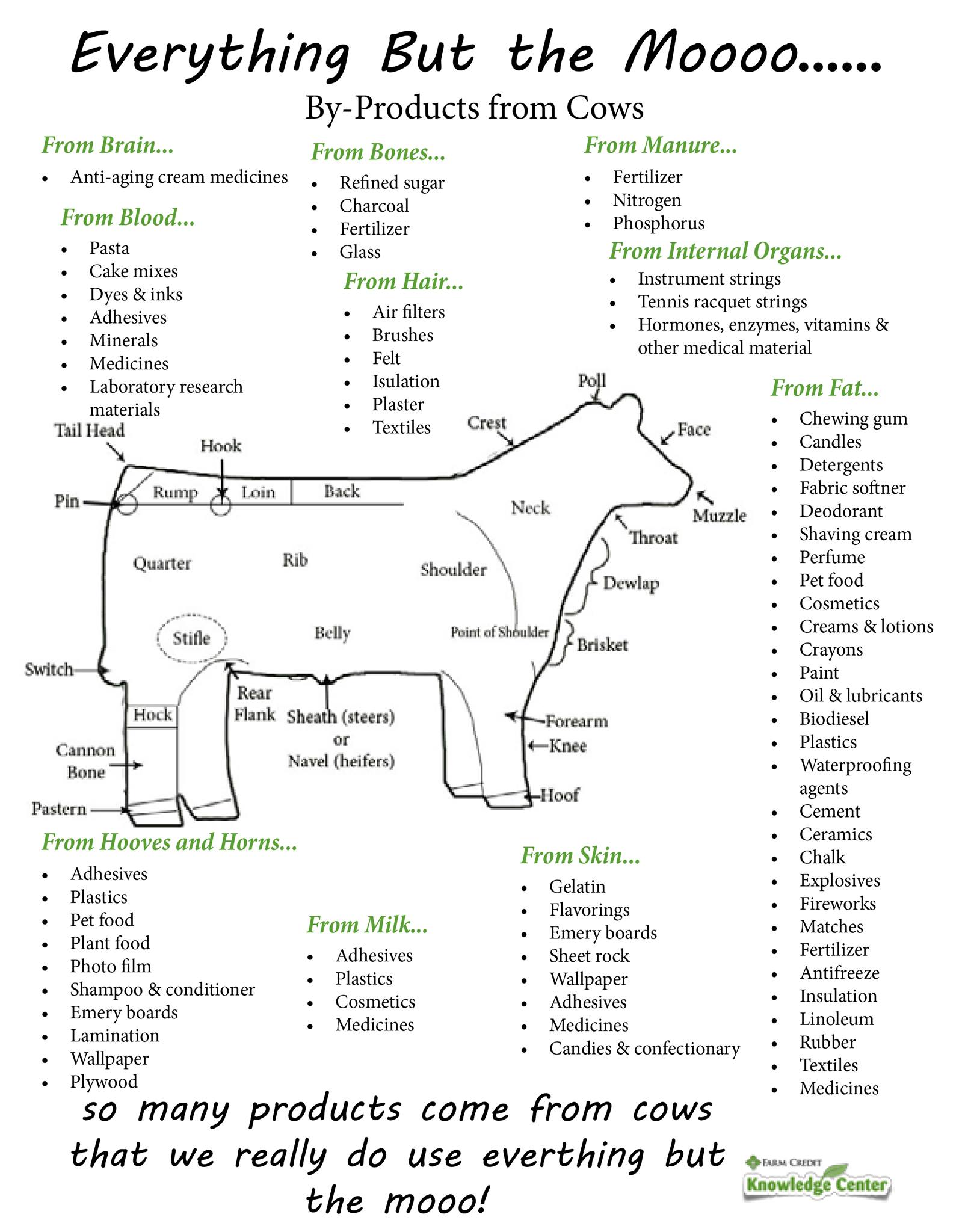
Alpha-gal syndrome is more than a red meat allergy. The alpha-gal sugar can also be present in dairy, gelatin, carrageenan, and hundreds of mammal-derived food ingredients, like vitamin D3, monoglycerides, glycerin, and collagen.

A uniquely severe allergy
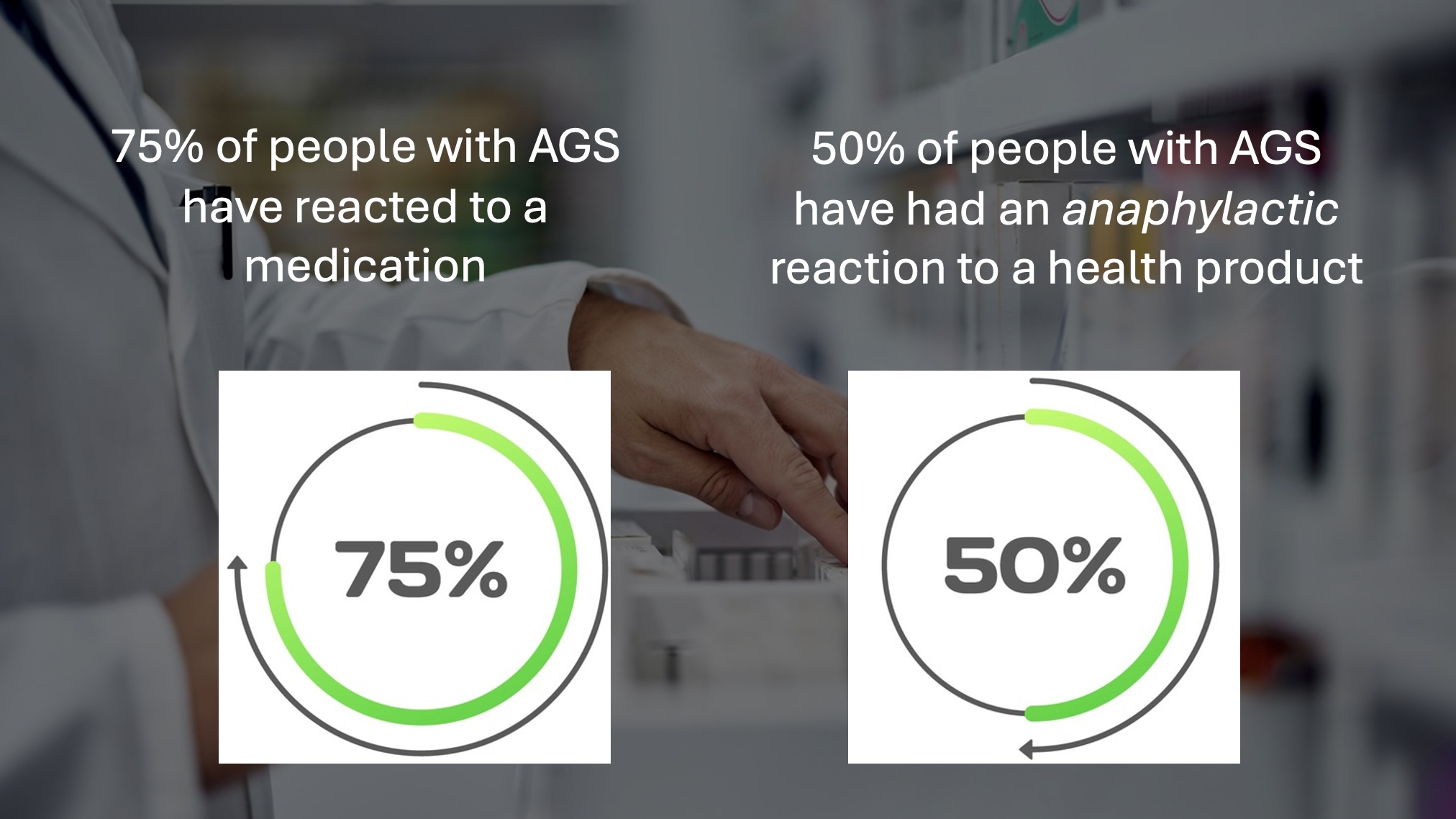
Up to 75% of people with AGS have life-threatening, anaphylactic reactions—a higher percentage than seen with any other food allergy, even peanut allergy. In high-prevalence areas, alpha-gal reactions can be a top cause of anaphylaxis, causing more anaphylaxis in some groups than all other food allergies combined. A number of fatalities have occurred.
Disproportionate risk of exposure
Unlike other major food allergens, mammal-derived ingredients—such as glycerin, mono- and diglycerides, and vitamin D3—are often difficult for consumers to identify. Many of these ingredients can be sourced from either plants or animals, yet current labeling laws do not require disclosure of their origin. In addition, both carrageenan and mammalian byproducts are often used as processing aids, which do not need to be disclosed on labels.
While all other top-ten food allergens are designated as major food allergens and required to be disclosed on the labels of food products, alpha-gal has received no such designation.
The ubiquitous and often hidden presence of alpha-gal in food, combined with a lack of labeling requirements, puts people with alpha-gal syndrome at disproportionately elevated risk of inadvertent exposure.


A major drug allergy and a top cause of perioperative anaphylaxis
Alpha-gal syndrome (AGS) is the only food allergy that is also a major drug excipient allergy and a leading cause of perioperative anaphylaxis. Some alpha-gal–containing medical products trigger more severe reactions than mammalian meat, and more deaths have been linked to medical exposures than to food.
Drugs
Alpha-gal syndrome (AGS) is the only food allergy that is also a major drug excipient allergy and a leading cause of perioperative anaphylaxis. Some alpha-gal–containing medical products trigger more severe reactions than mammalian meat, and more deaths have been linked to medical exposures than to food.
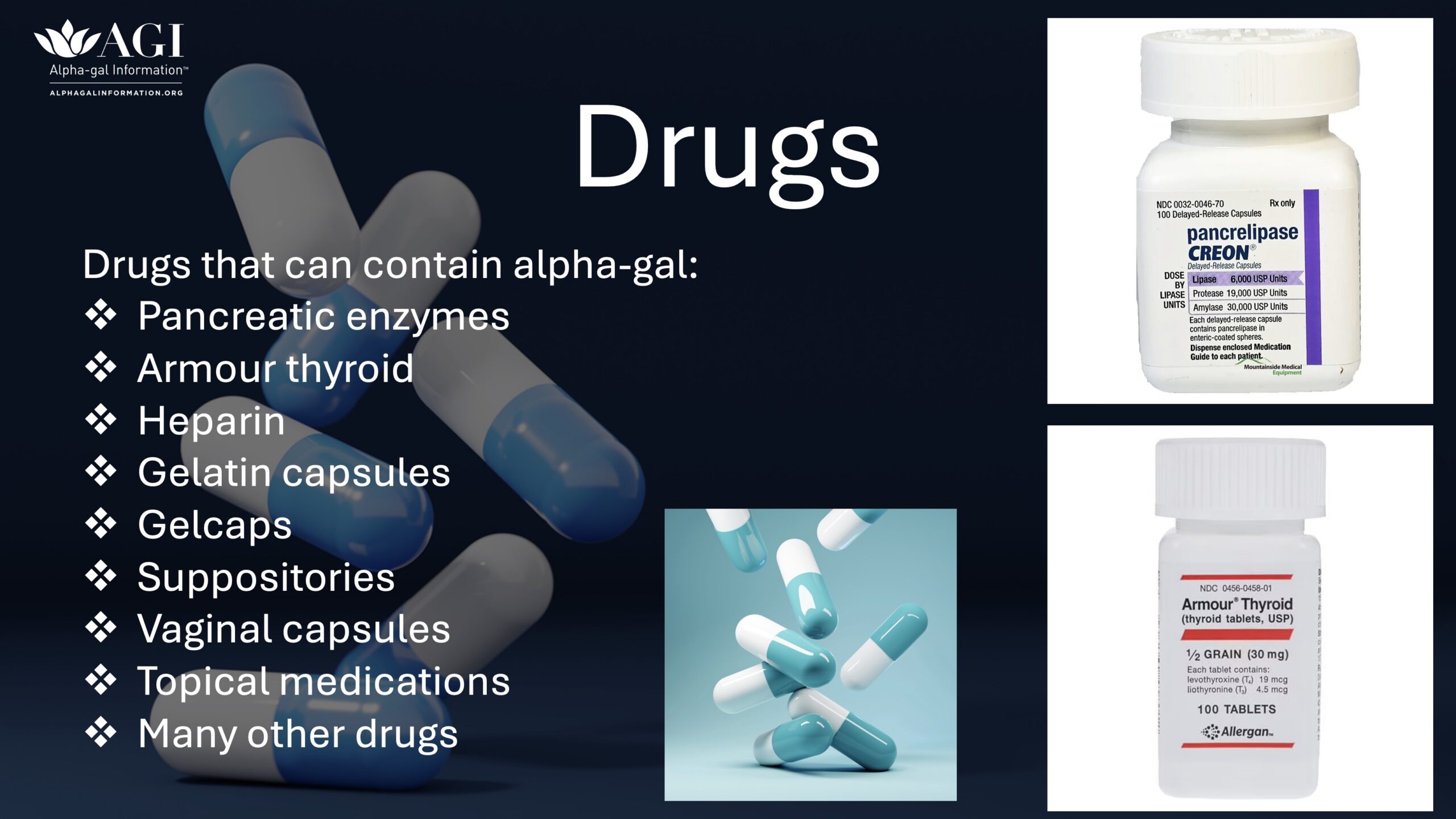
Mammal-derived ingredients are widespread in both prescription and over-the-counter medications, including gelatin capsules, thyroid drugs, pancreatic enzymes, heparin, propofol, and more. Yet no comprehensive list exists.
A recent DailyMed analysis found that over 64% of listed drugs—more than 230,000 products—contain ingredients that are mammal-derived or potentially mammal-derived.
Biologics
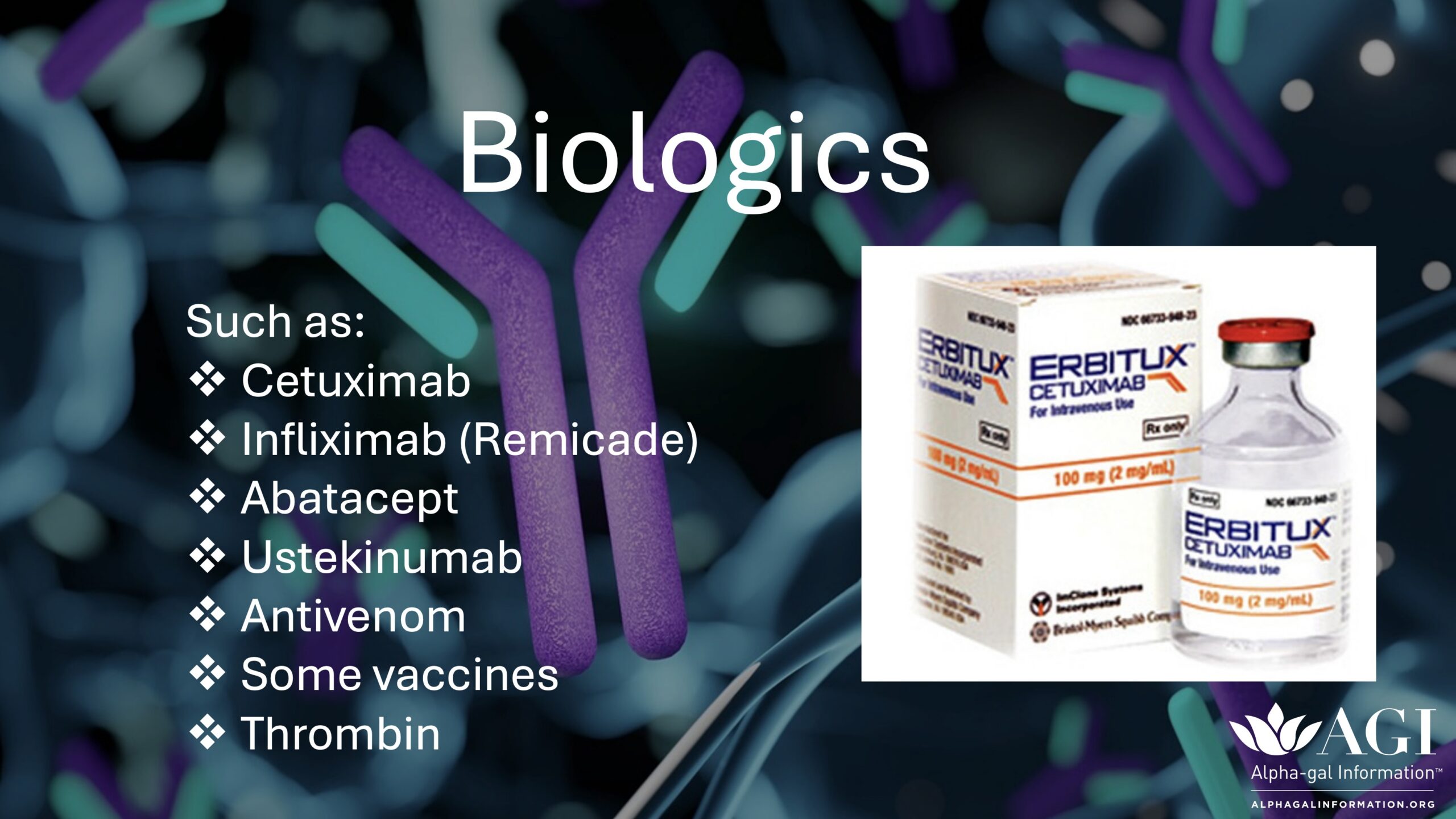
Biologics can also contain alpha-gal. Examples include antivenom, vaccines, thrombin glues, and monoclonal antibodies.
Biologics produced in mammalian cell lines—such as most monoclonal antibodies—pose particular risks. These products may be glycosylated with alpha-gal and have a documented potential to trigger life-threatening reactions in people with alpha-gal syndrome. Because manufacturers typically do not disclose glycosylation data, it is often impossible to determine which biologics contain alpha-gal.
The monoclonal antibody drug cetuximab is the leading cause of documented alpha-gal–related deaths.
Medical devices
Many medical devices are mammal-derived or contain mammal-derived ingredients. Examples include bioprosthetic heart valves, hernia mesh, collagen implants, extracellular matrix, hemostatic agents, and more.
Implantable medical devices pose risks that go beyond acute allergic reactions. For example, devices made from mammal-derived tissue, such as bioprosthetic heart valves, may lead to hyperacute rejection or premature degeneration in people with AGS.
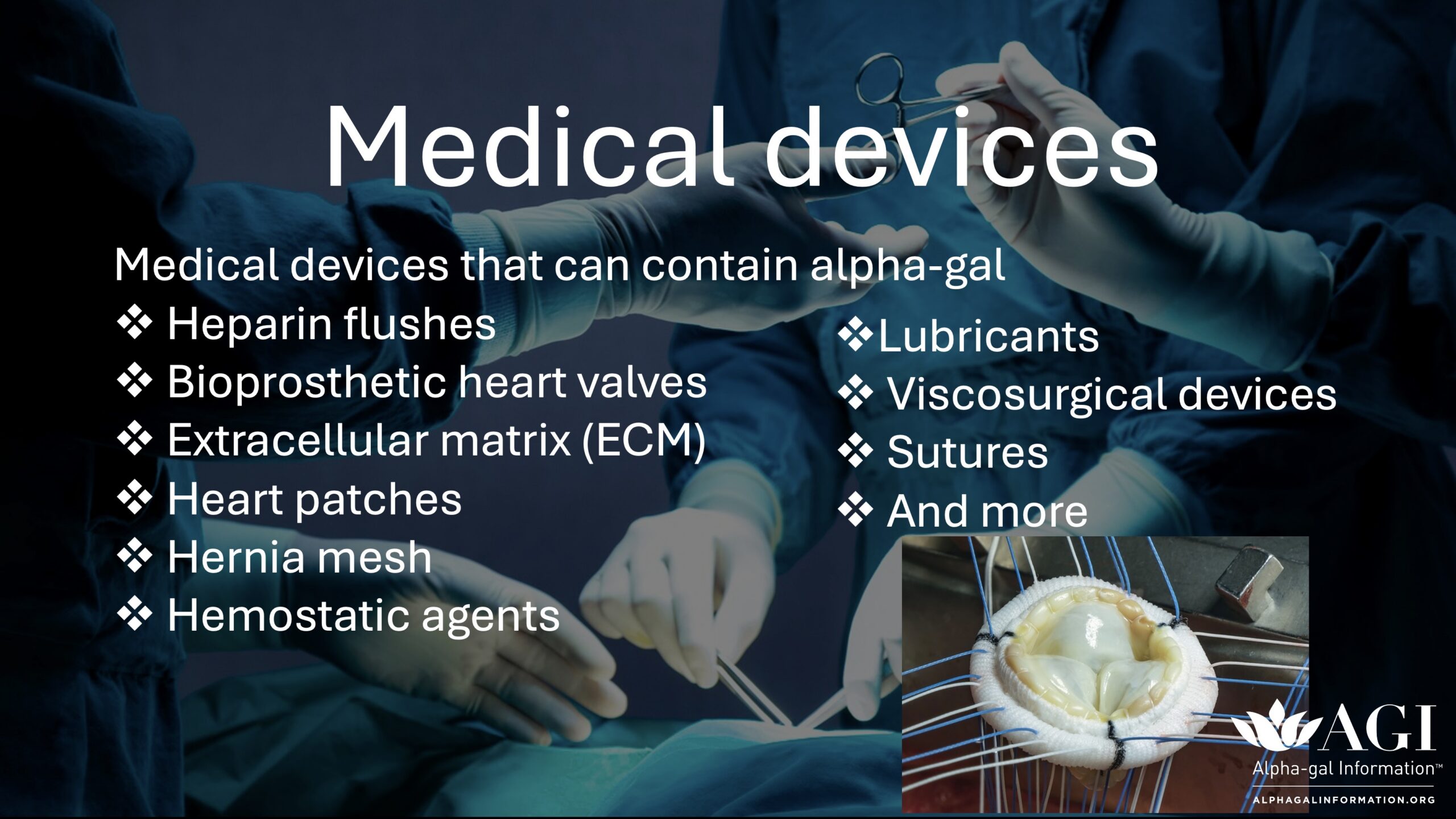
Alpha-gal syndrome (AGS) is an emerging tick-borne allergy to mammalian-derived products found in many pharmaceuticals and medical materials with the potential to affect all areas of urologic care; however, lack of transparent labeling and fluctuating manufacturing sourcing make identifying safe drugs/materials challenging.1,2 Without increased awareness, multidisciplinary collaboration, and systemic change, the patient safety challenges posed by AGS will only continue to grow.
Tranfusion reactions (TRAGS)
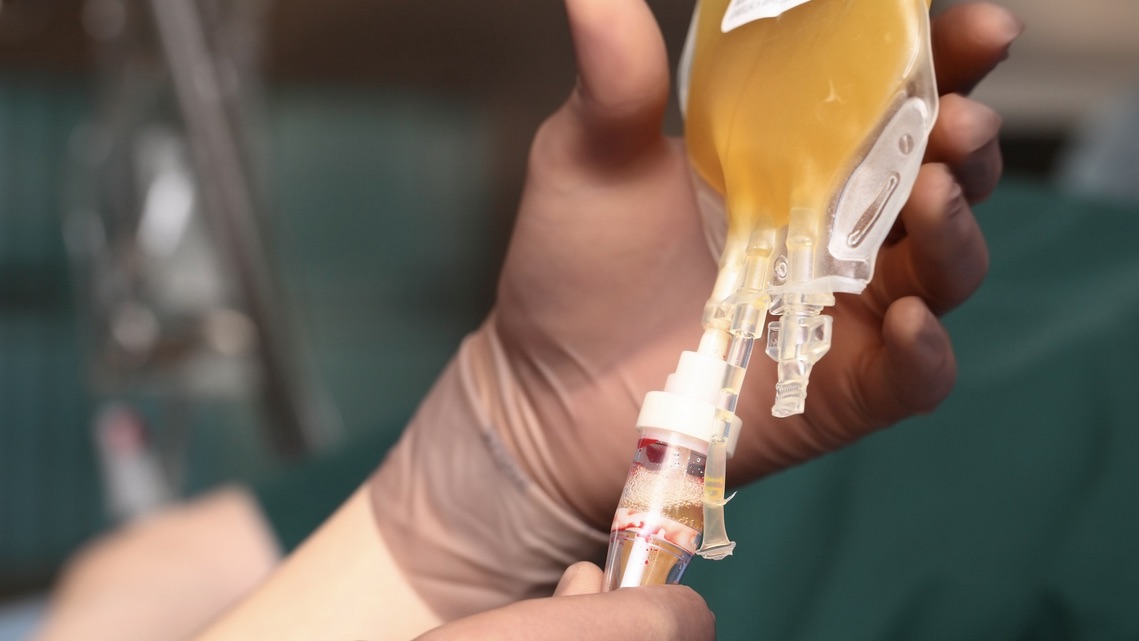
A growing body of evidence implicates alpha-gal syndrome in allergic transfusion reactions known as transfusion-related alpha-gal syndrome (TRAGS). This is due to the structural similarity between the alpha-gal antigen and the Group B antigen. Certain patients with AGS may be at risk for severe and even fatal reactions following exposure to Group B antigen and/or substance through plasma or platelet transfusions.
An occupational allergy
For many individuals, risks associated with alpha-gal syndrome (AGS) are not confined to dietary or pharmaceutical exposures; AGS can also present substantial occupational risk. Farmers and ranchers, for example, may experience reactions related to livestock exposure, particularly contact with animal fluids such as amniotic fluid. Chefs can develop respiratory reactions to alpha-gal-containing bioaerosols in fumes from cooking meat. Meat processors, veterinarians, pet groomers, and other professionals whose work involves direct contact with mammals may also be affected.
In addition, occupations involving frequent tick exposure carry increased risk for individuals with AGS. These include farmers and ranchers, surveyors, field biologists, hunters, foresters, park rangers, utility line workers, and others whose work requires they spend significant time outdoors in tick-endemic areas.